Video creator
You need a spoken draft for an explainer, tutorial, or short social concept before final editing.
A generated sample can help you assess pacing, structure, and whether the concept needs a different voice direction.
Independent guide
This speechma review ai voices guide separates useful expectations from assumptions. It explains what Speechma represents on this site, where an AI voice workflow may help, and which decisions still require your own judgment.
Trust check
A careful review should state what is known, what is uncertain, and what the visitor must verify before choosing a voice workflow.
This speechma review ai voices page is informational. It does not guarantee a particular voice, language, rendering quality, turnaround, or result for every project.
What to do instead
Treat the review as a decision guide, then test your own script in the linked tool before committing to a production plan.
Speechma may be relevant when you need generated narration, but generated delivery can miss subtle intent, character direction, timing, or emotional nuance.
What to do instead
Use a short representative sample and compare it with the audience, tone, and performance standard your project requires.
Speechma can be part of an audio workflow, yet scripting, pronunciation checks, editing, mixing, permissions, and publishing remain separate responsibilities.
What to do instead
Keep a checklist for script approval, pronunciation, asset handling, review, and final export.
Review method
The most useful way to read a speechma review ai voices page is as a structured check rather than a promise of universal suitability.
Write down whether you need narration, an explainer read, character-style delivery, accessibility support, or a quick concept sample. A precise brief makes the Speechma evaluation more meaningful.
Use the same kind of wording, names, punctuation, and pacing your real project contains. A generic sentence can hide the pronunciation and tone issues that matter later.
Listen with the intended visuals, audience, and delivery speed in mind. The right choice is the workflow that meets your needs, not the one that sounds impressive in isolation.
Related reading
These related pages add practical context without replacing the limits and checks in this review.
Expectation setting
The difference is not a promise of automatic perfection; it is the difference between judging an untested idea and reviewing a sample against a real brief.
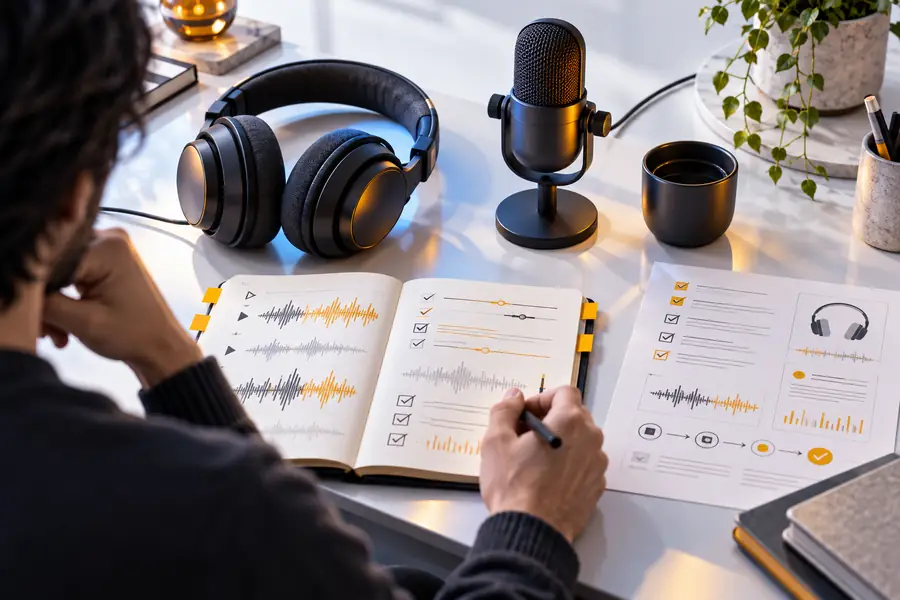
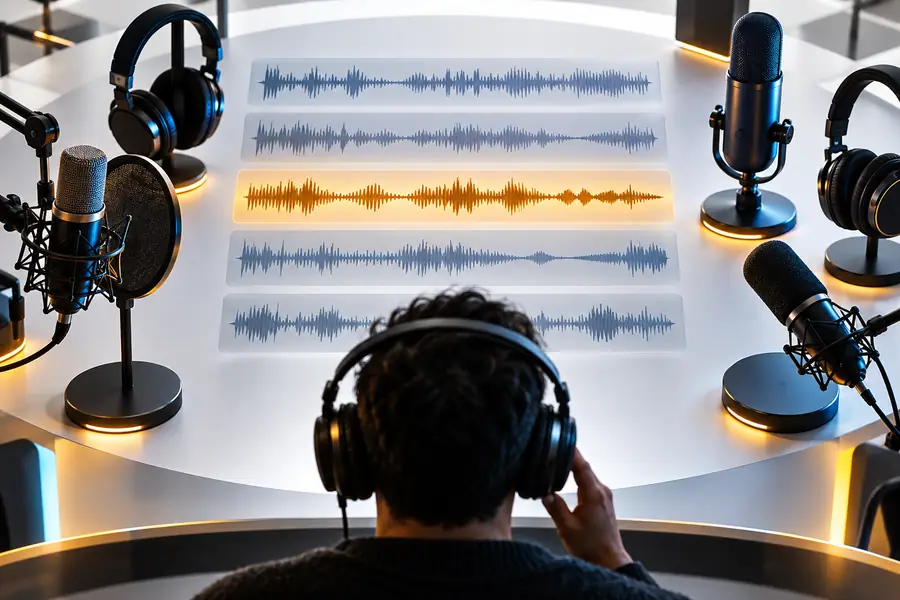
Test the passage you will actually use.
Unverified expectationContextual samplePractical fit
A review becomes useful when it connects the Speechma question to a specific person, task, and standard of success.
You need a spoken draft for an explainer, tutorial, or short social concept before final editing.
A generated sample can help you assess pacing, structure, and whether the concept needs a different voice direction.
You are organizing narration inside a wider audio workflow and want to separate voice decisions from mixing decisions.
The review helps you test the voice role first, then plan the remaining audio work around what the project actually needs.
You are comparing generated delivery options for a script with meaningful names, punctuation, or tone changes.
A focused sample gives you better evidence than a broad claim about what every AI voice can do.
You found Speechma while looking for a voice generator and need a neutral starting point before selecting a workflow.
You can use this speechma review ai voices guide to frame questions about fit, testing, quality, and responsibility.
Make your own check
A written speechma review ai voices guide can narrow the decision, but your script is the meaningful test. Open the voice tool, use a representative passage, and listen for the qualities your audience will actually notice.
Common questions
Its purpose is to help you evaluate fit before treating an AI voice workflow as the answer. A useful review covers expectations, boundaries, testing, and the work that still belongs to the creator.
No guarantee should be assumed from an informational review. Voice quality, pronunciation, tone, and suitability depend on the script, the intended use, and the result you obtain when you test the workflow.
It is useful for creators, audio planners, researchers, and anyone considering generated narration. The review is especially relevant when you want to compare expectations with a real sample before building a larger project around it.
Avoid relying on it when your project requires a specific human performance, highly sensitive emotional direction, legally controlled material, or production handling that the tool does not clearly support. In those cases, verify requirements first and consider a different production path.